Development principles
Youth development is about far more than producing professionals. The strongest academies balance football with schooling, personal growth and wellbeing, recognising that only a small share of academy players will build long careers in the professional game.
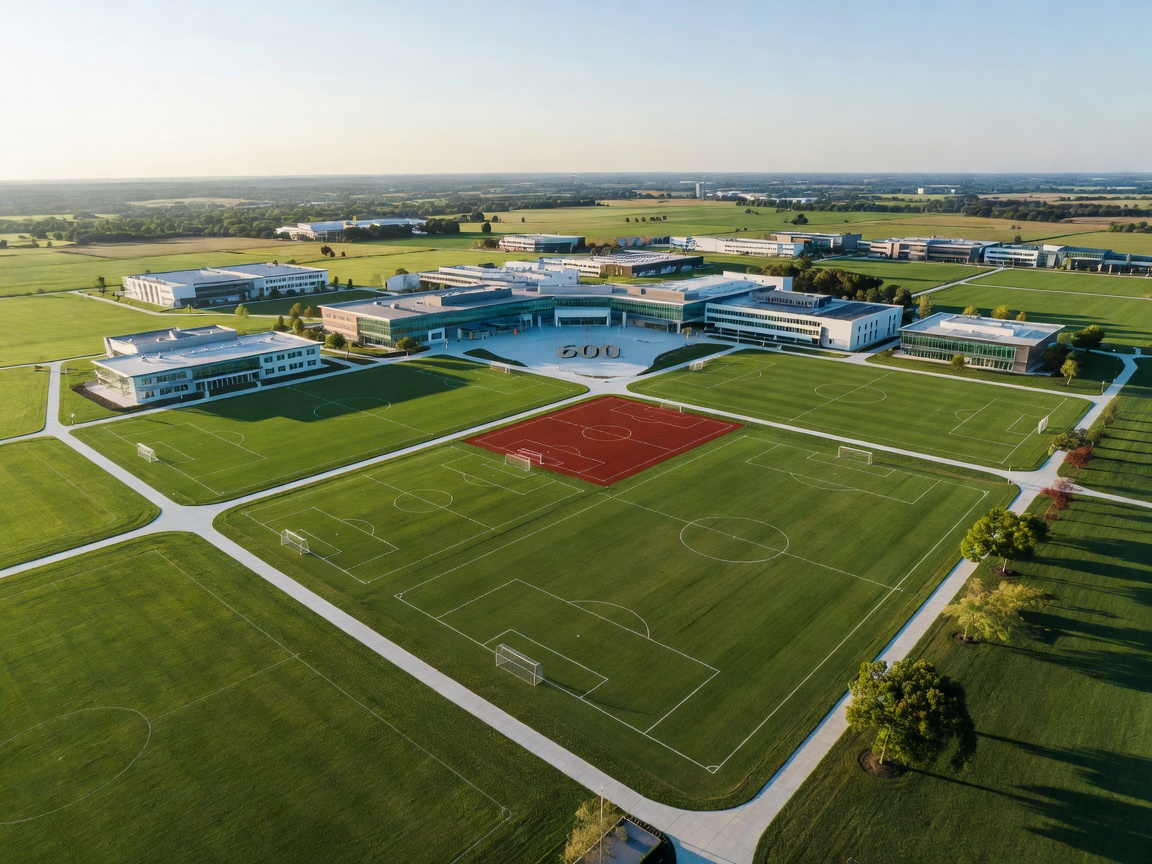
That reality shapes good practice. Academies such as La Masia have long emphasised education and values alongside football, and residential campuses including Benfica's in Seixal, Sporting CP's in Alcochete and the FC Bayern Campus combine training with schooling support. The aim is that every player leaves with an education and life skills, whatever happens on the pitch.
Wellbeing
Moving to an academy — particularly one far from home — brings pressure. Good programmes provide supervision in residences, access to welfare and psychology staff and regular contact with families. Safeguarding policies should be clear and available to parents.
Growth and maturation
Young players mature physically at very different speeds. Researchers have long described a relative age effect in youth sport, where players born early in the selection year are over-represented because they tend to be more physically developed than peers born later in the same year.
Thoughtful academies try to avoid over-rewarding early size and speed. Common approaches include judging technical and tactical ability separately from physical output, monitoring growth spurts and giving later developers time rather than releasing them too early.
Pathways to senior football
The step from under-19 football to the senior game is one of the hardest in sport. Academies manage it in several ways:
- Second teams. FC Liefering gives many Red Bull Salzburg academy graduates an early step into senior football.
- Early exposure. Dinamo Zagreb's system is known for giving young players early experience of competitive senior football.
- Loans. Many clubs loan young players to other teams to gain regular minutes.
- Federation routes. Clairefontaine's pre-training players continue their development at professional clubs.
Coaching
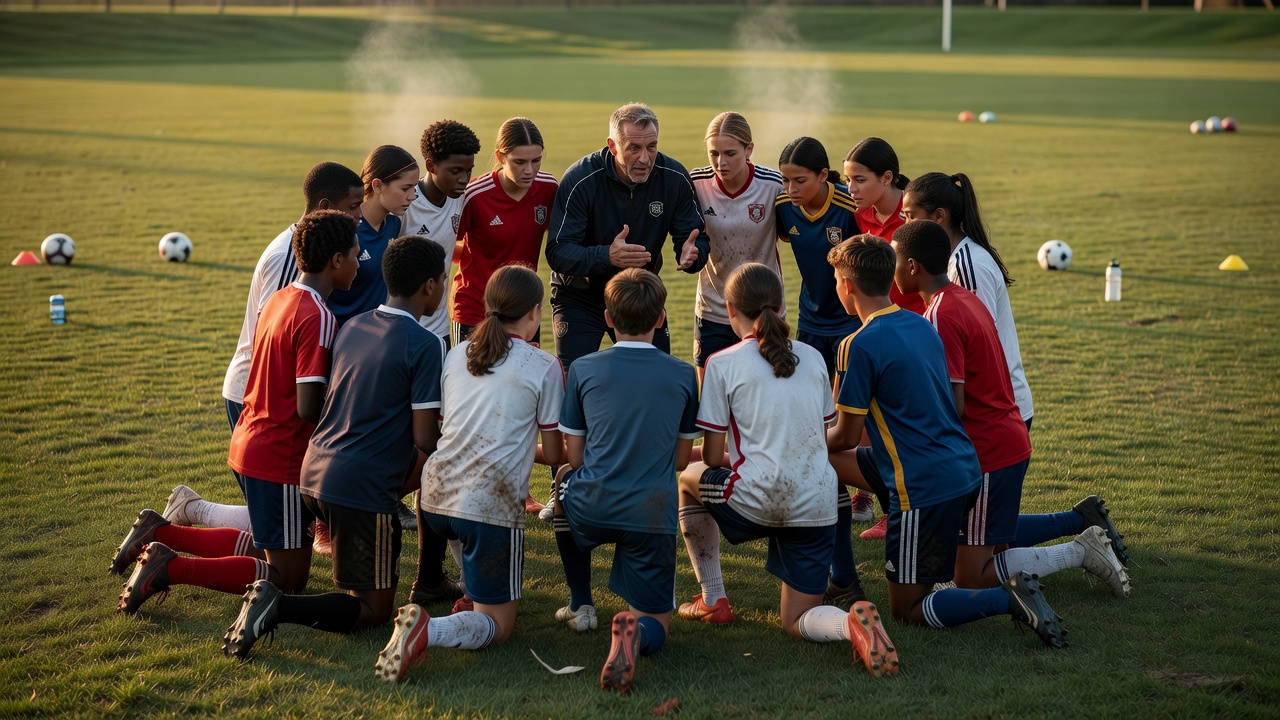
Academy coaching has become a specialist profession. Staff typically hold UEFA coaching licences — the B, A and Pro licences form the main pathway — and the UEFA Elite Youth A licence is designed specifically for coaches working with elite young players. Clairefontaine's role in coach education shows how closely national federations link player development to coaching standards.
Individual development plans
Players are increasingly given personal targets — technical, tactical, physical and personal — reviewed regularly with coaches. This shifts attention from match results to long-term progress.
Specialist staff
Head coaches work alongside goalkeeping coaches, strength and conditioning staff, video analysts, physiotherapists and psychologists. The quality of this wider team is often as important as the lead coach.
Game-model academies
Some academies teach one consistent playing style from the youngest age groups upward. Ajax's attacking, possession-based identity, supported by its TIPS model of technique, insight, personality and speed, La Masia's positional play and Red Bull Salzburg's high-intensity pressing are well-known examples.
Strengths
- Players learn the same principles as the first team
- Clear, shared language between coaches
- Smoother step up between age groups
Watch-outs
- Players may be less exposed to other styles
- Profiles that do not fit the model can be overlooked
- Adapting at a new club may take time
For families, the question is fit: does a young player thrive in the style an academy teaches, and does the environment support the person as well as the athlete?