Sports offered
All nine academies featured on Swayscrewparade are football academies. But several of their parent clubs are multi-sport organisations, and the wider European academy landscape includes basketball, tennis, athletics and multi-sport development pathways.
Football
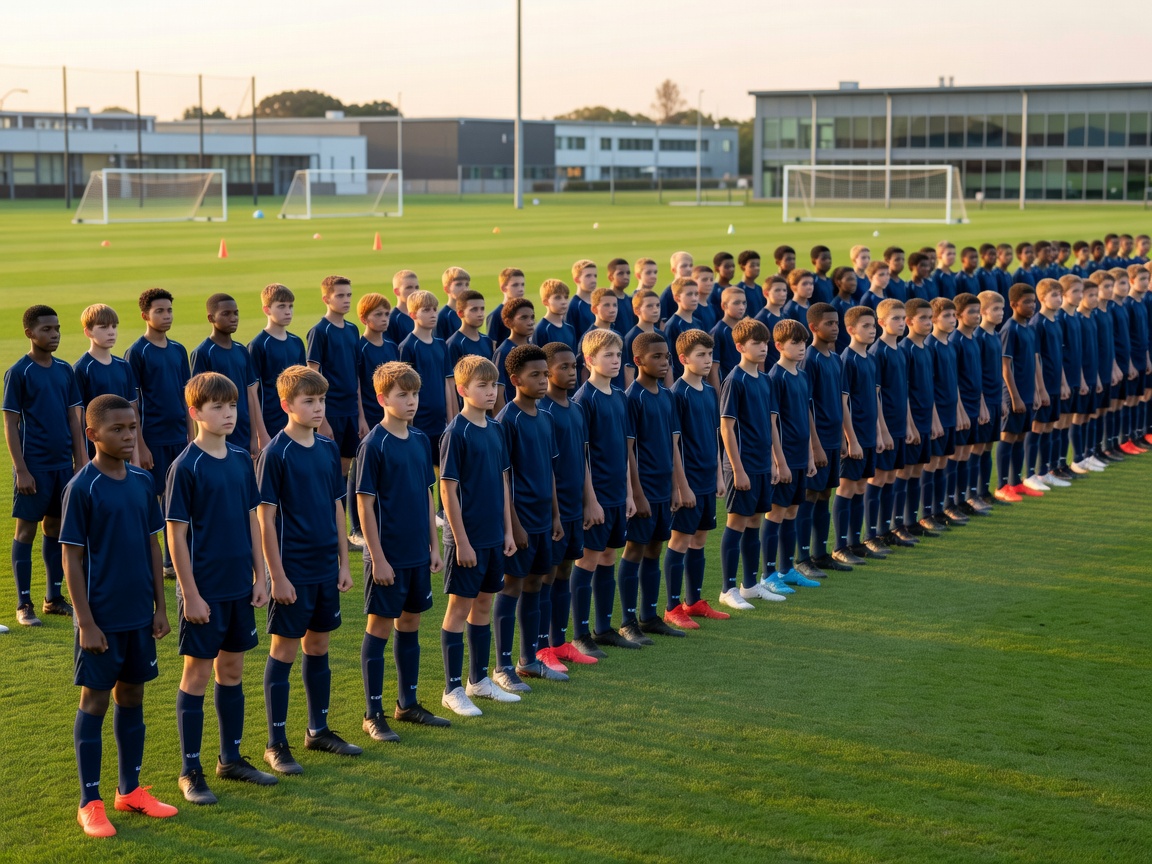
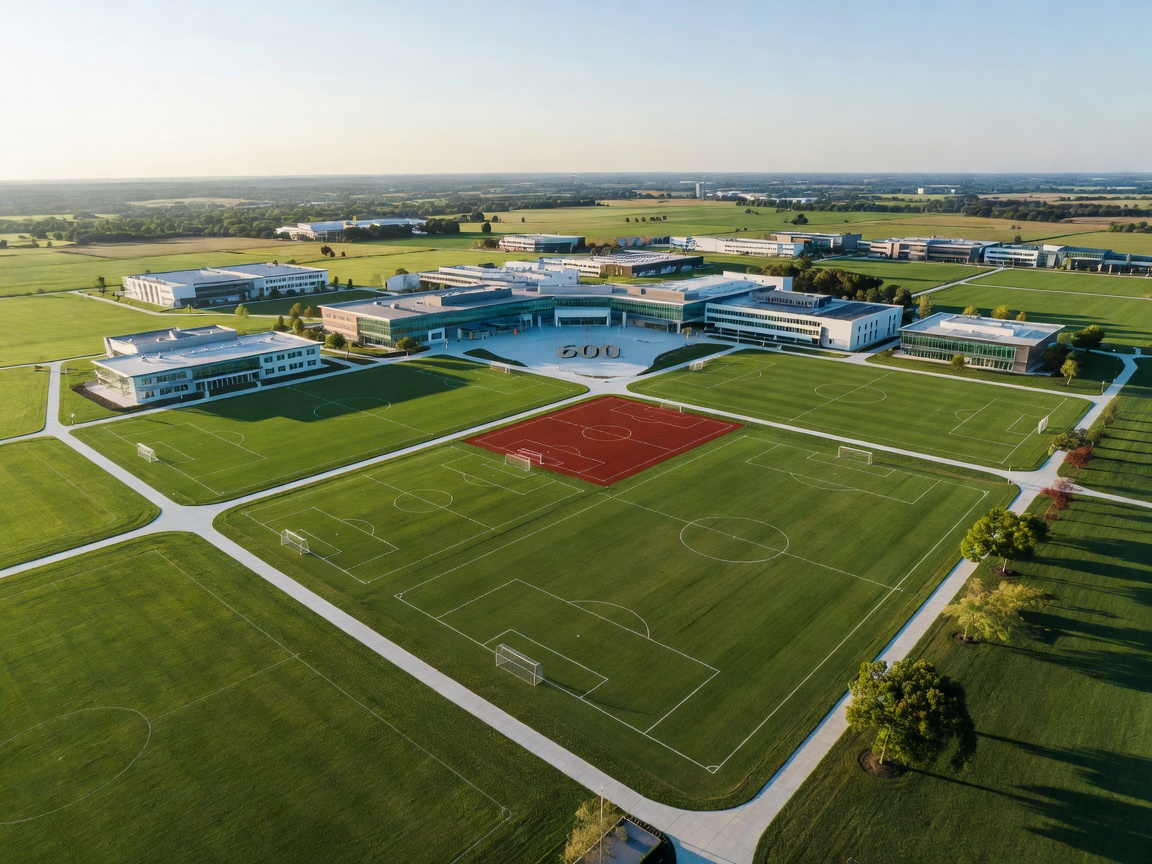
Football is the core at Clairefontaine, Ajax, La Masia, Sporting CP, Bayern Munich, Red Bull Salzburg, Dinamo Zagreb, Benfica and Anderlecht. Programs run from foundation-age groups through to under-19 football and, in some cases, second-team competition such as FC Liefering in Austria.
Basketball
Basketball is run as a separate section by several multi-sport clubs, including FC Barcelona, SL Benfica, Sporting CP and FC Bayern Munich. These sections sit outside the football academies, with their own youth teams and coaching staff.
Tennis
Tennis development in Europe typically runs through national federations and dedicated tennis academies rather than football-club structures. Families interested in tennis should look to their national federation's performance programmes.
Athletics
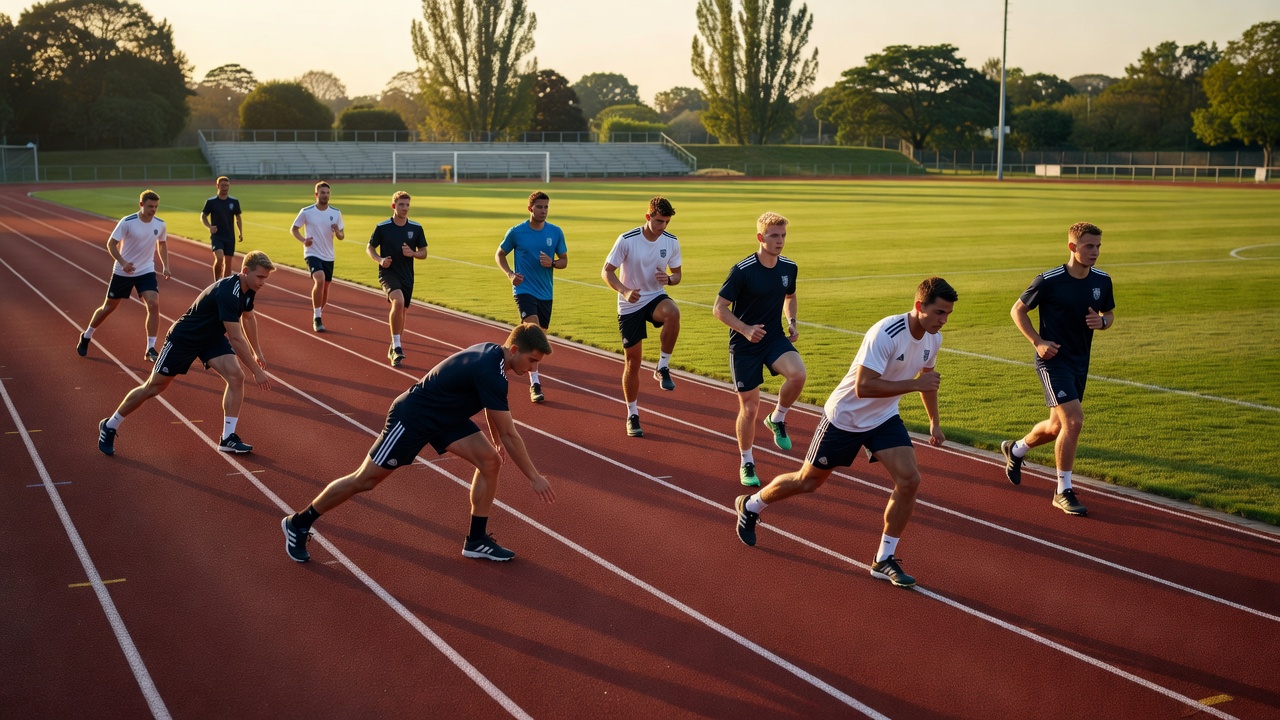
Athletics is present within the wider club structures of Benfica and Sporting CP. In football academies, athletics-style work on sprinting mechanics, agility and coordination is also a common part of physical preparation.
Multi-sport development
Broad movement skills and varied sport in the early years are widely recommended by coaching and sports bodies before a child specialises. Many football academies build this thinking into their foundation phase through games, coordination work and play-based sessions.
Training phases
Academies label their age groups differently, but most follow a similar three-part logic. Exact ages vary from club to club.
| Phase | Focus | Typical content |
|---|---|---|
| Foundation | Ball mastery and enjoyment | Small-sided games, coordination, many touches of the ball |
| Development | Game model and understanding | Positional play, structured physical preparation, tactical learning |
| Performance | Professional readiness | Tactical detail, match analysis, strength work, competitive fixtures |
The shift between phases is gradual. Younger players spend more time simply playing; older players spend more time on detail, analysis and physical conditioning, often with a link to second-team or senior football.
Inside a session
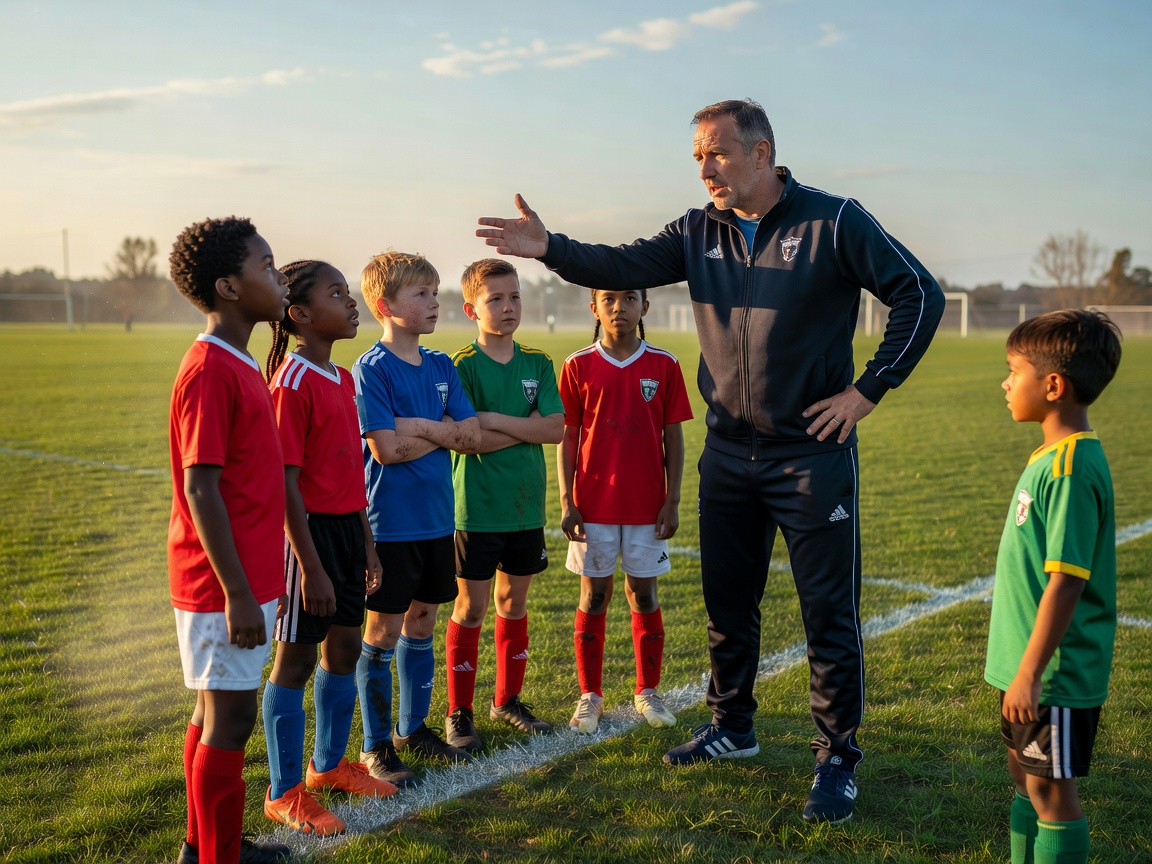
While every academy has its own methods, a typical session tends to include the same building blocks:
- Warm-up and movement preparation — mobility, coordination and injury-prevention exercises.
- Technical work — passing, receiving, dribbling and finishing, often in small groups.
- Positional games — rondos and possession games that teach the academy's style, familiar at Ajax and La Masia.
- Game-based practice — small-sided or phase-of-play work against opponents.
- Cool-down and reflection — recovery work and short feedback from coaches.
Pressing-focused academies such as Red Bull Salzburg typically build in more high-intensity transition work, reflecting the style their first team plays.
Early vs late specialisation
Multi-sport first
- Broader movement skills and coordination
- Lower risk of overuse from one repeated activity
- More time for enjoyment and motivation to grow
Early specialisation
- More sport-specific technical hours
- Earlier exposure to an academy's methods
- Greater risk of burnout if poorly managed
For most young athletes, a balanced approach — a main sport alongside other activities — is a sensible middle ground. Qualified coaches can help decide what fits each child.
A note on costs
Swayscrewparade does not list fees or program costs. Elite club academies are generally scouting-led rather than open paid enrolment. Separate camps or clinics may exist; always check the details directly on official club channels.