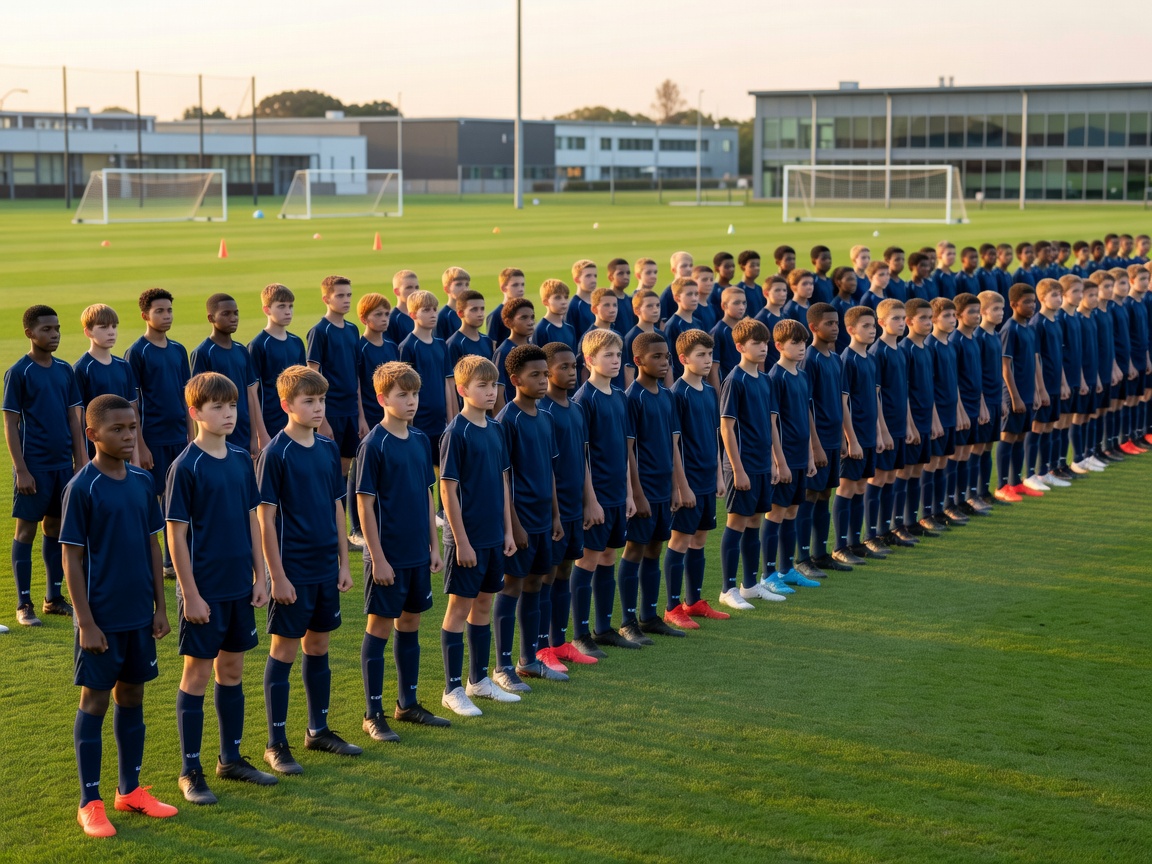
Academy Profiles: nine academies, nine philosophies
Clairefontaine, Ajax, La Masia, Sporting CP, Bayern Munich, Red Bull Salzburg, Dinamo Zagreb, Benfica and Anderlecht — who runs them and what they are known for.
Read the guide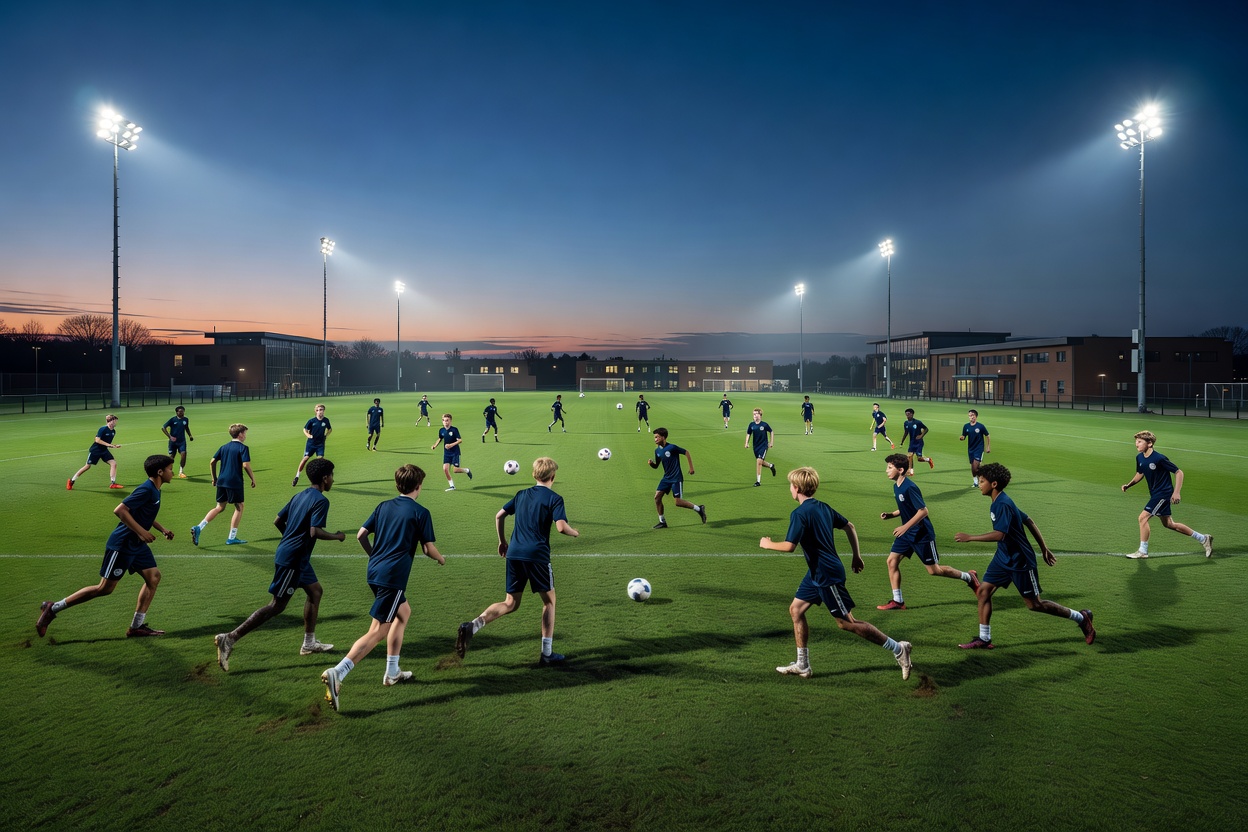
The European Academy Edition · 2026
An editorial guide to nine of Europe's most discussed sports academies — from Clairefontaine to La Masia — and the sports, training, facilities and selection pathways behind them.
Sports Academies
Start with the academies themselves, then follow the pathway: what is trained, where it happens, how young players are developed and how selection works.
Clairefontaine, Ajax, La Masia, Sporting CP, Bayern Munich, Red Bull Salzburg, Dinamo Zagreb, Benfica and Anderlecht — who runs them and what they are known for.
Read the guide
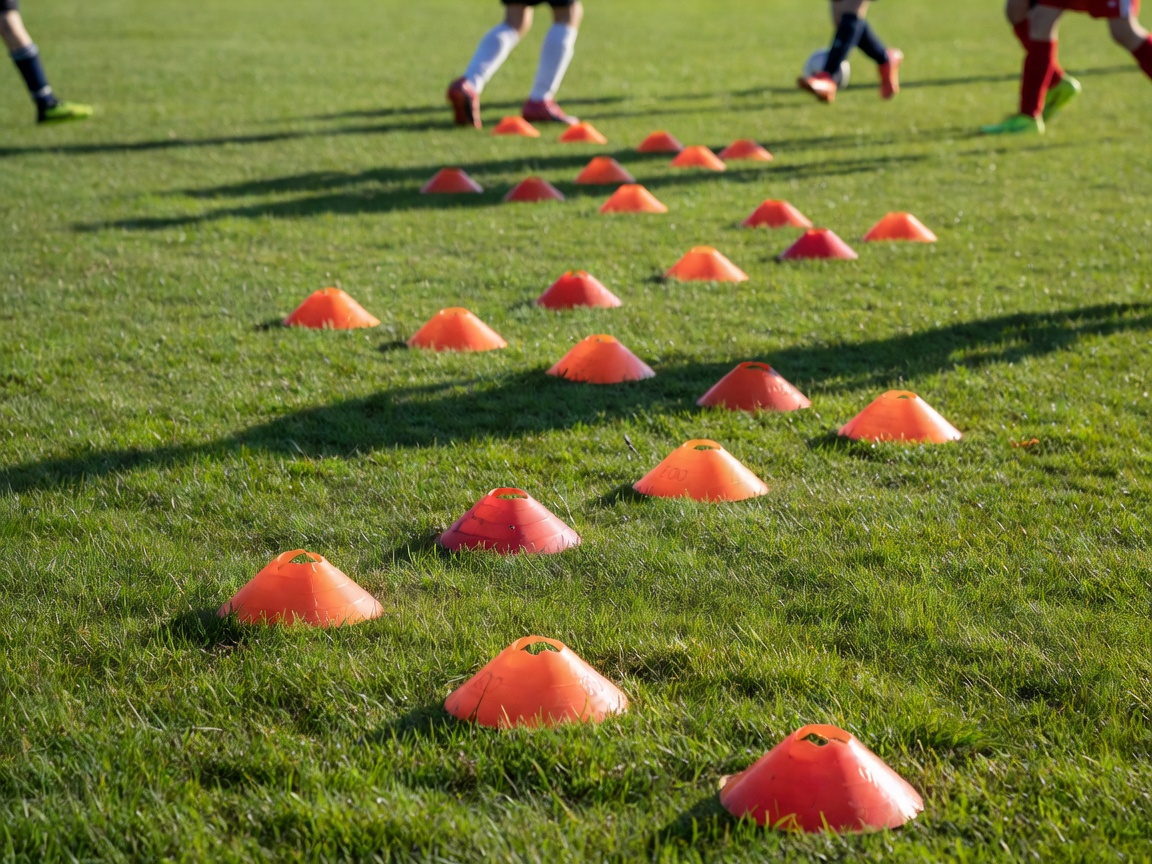
Football, basketball, tennis, athletics and multi-sport development, plus how training phases are structured.
Read the guide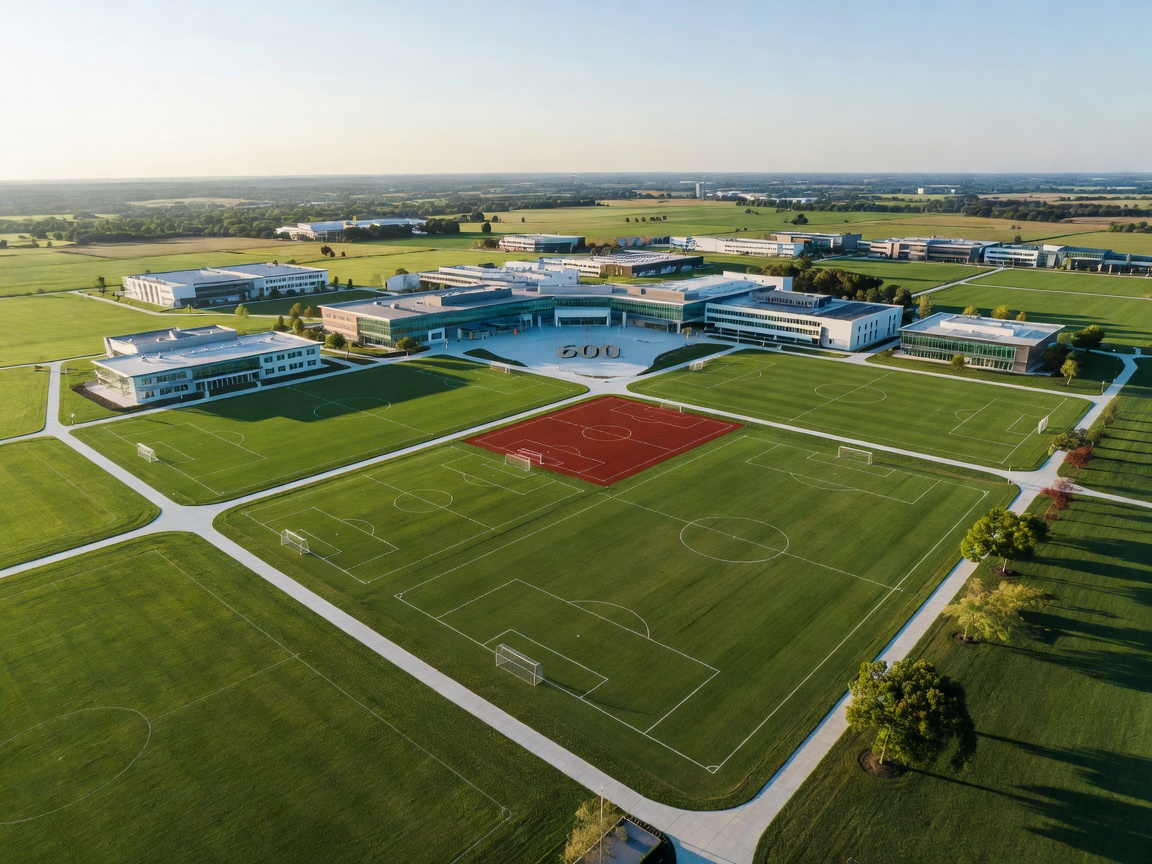
Pitches, residences, sports science and where each academy is based across Europe.
Read the guide
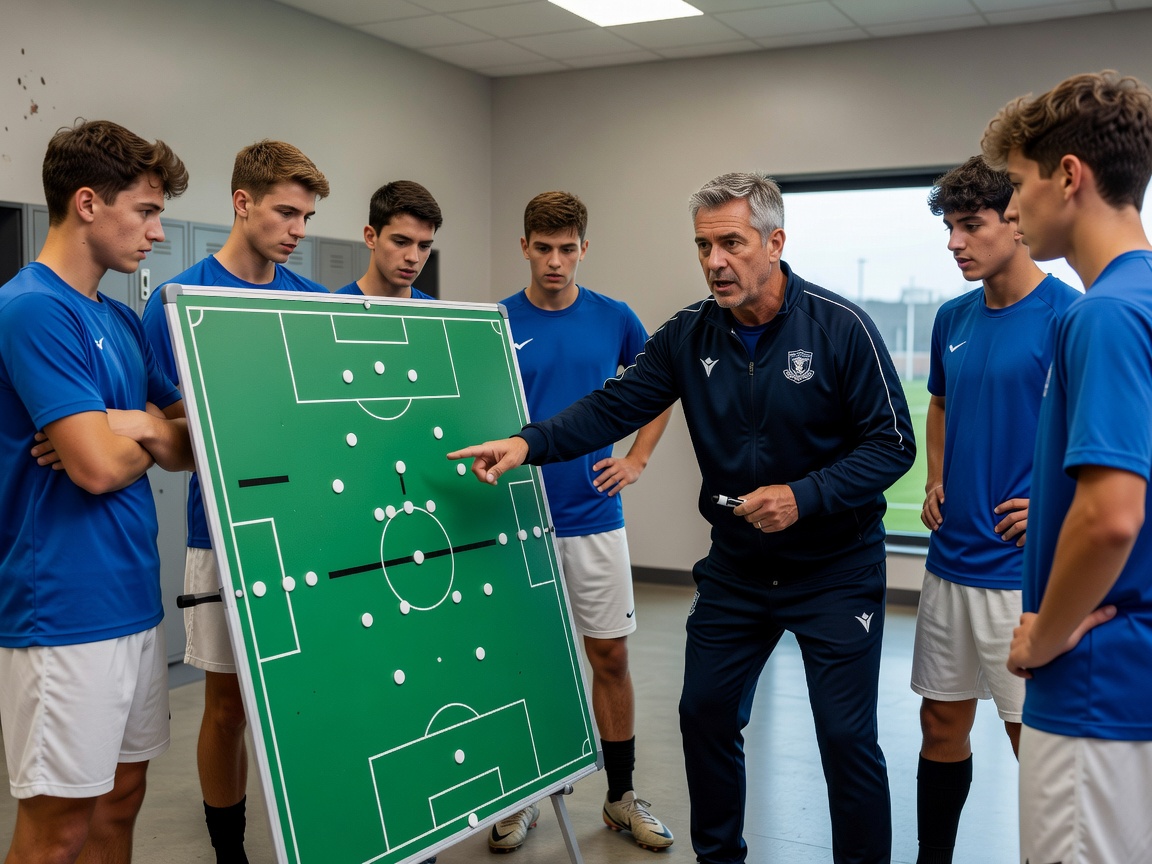
Education, wellbeing, long-term development and the coaching behind the pathway.
Read the guide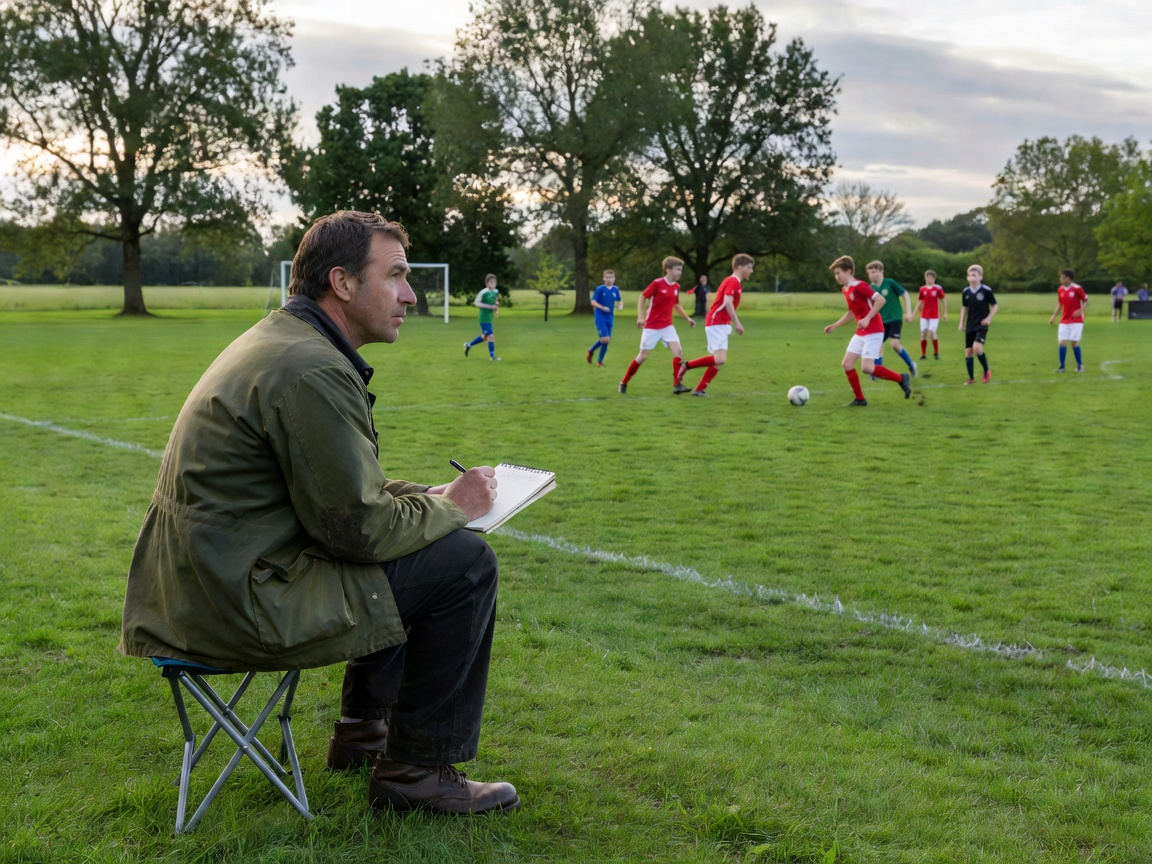
Scouting, trials, age groups, international rules and the warning signs to watch for.
Read the guideAcademy Profiles
Presented in no order of merit. Each profile describes where the academy is, who runs it and the ideas it is associated with.
France · Federation centre
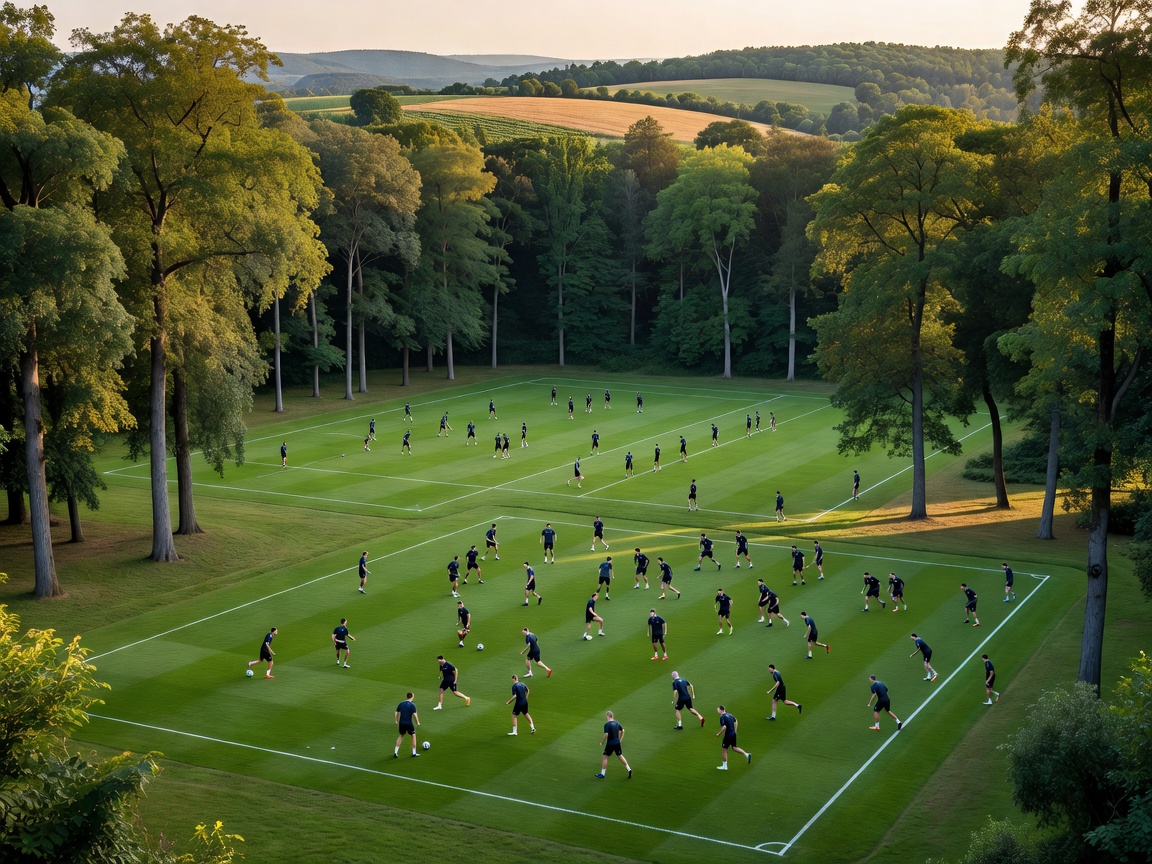
The French Football Federation's national technical centre at Clairefontaine-en-Yvelines, south-west of Paris. Beyond its well-known pre-training programme for young players from the surrounding region, the site is a home base for France's national teams and a hub for coach education.
Spain · FC Barcelona
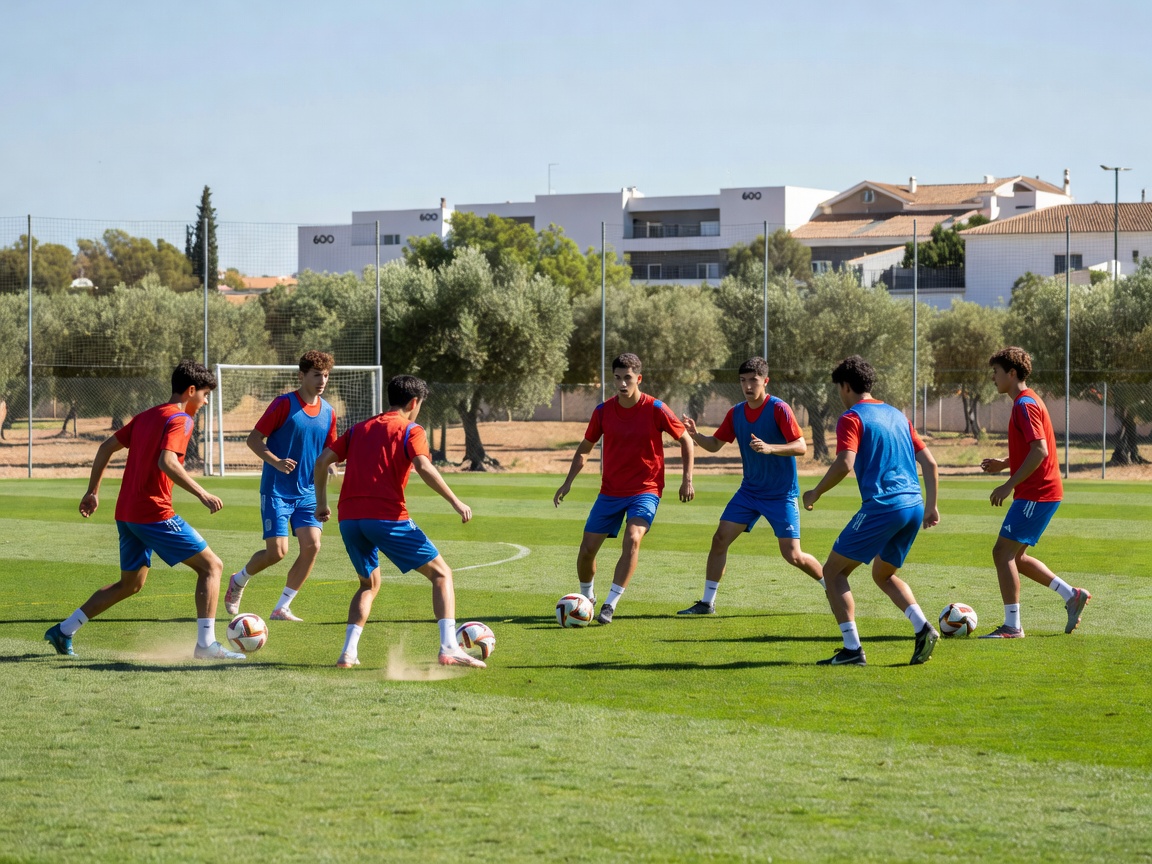
FC Barcelona's academy takes its name from the original farmhouse near Camp Nou; today its residence and training sit within the Ciutat Esportiva Joan Gamper in Sant Joan Despí. It is closely identified with a positional, possession-oriented style taught from the youngest age groups.
Portugal · SL Benfica
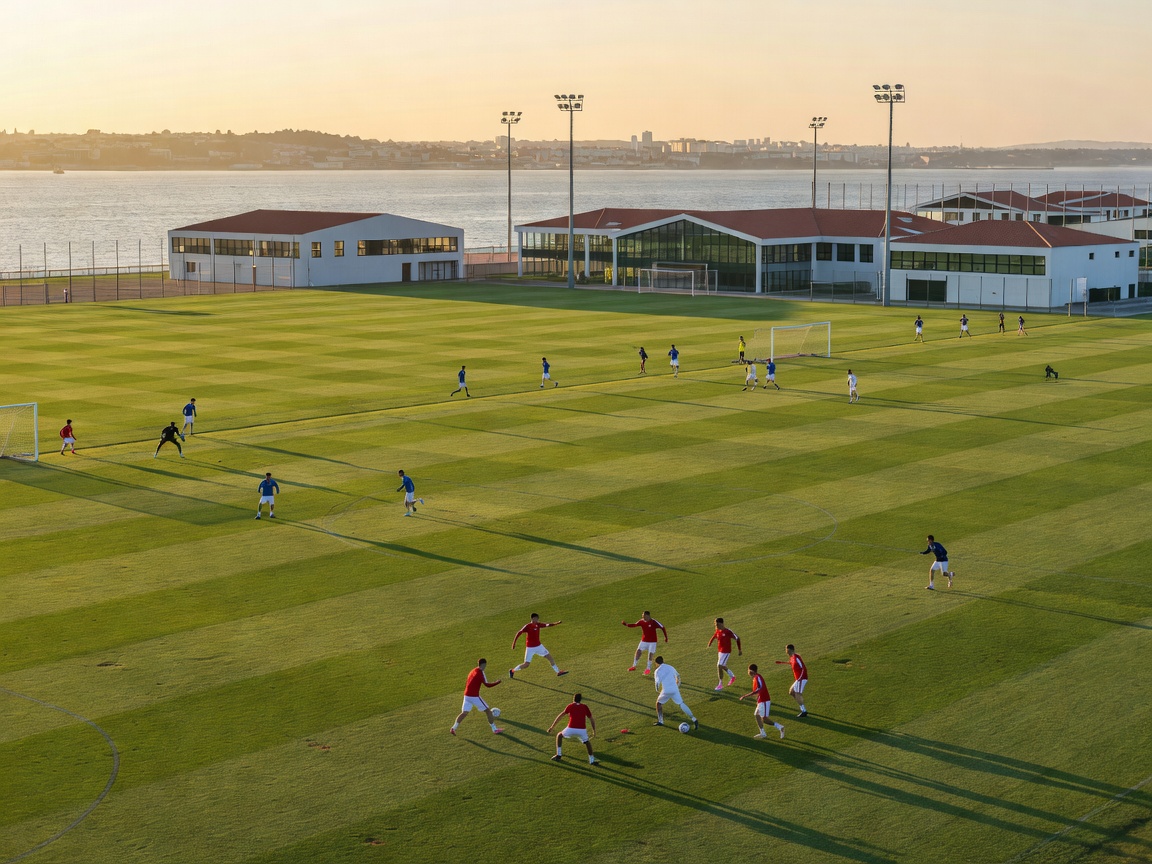
The Benfica Campus in Seixal, south of Lisbon, houses the club's youth teams, residence and training fields, and is widely cited as one of Europe's leading player development centres.
Netherlands
Based at De Toekomst in Amsterdam, Ajax's academy is associated with an attacking, possession-based identity and the TIPS model — technique, insight, personality and speed — used to assess young players.
Portugal
Located in Alcochete, across the Tagus from Lisbon, Sporting's academy combines residential facilities, training pitches and schooling support, and is one of Portugal's best-known player development centres.
Germany
The FC Bayern Campus in the north of Munich brings the club's youth teams, a boarding facility and academy staff onto a single site, connecting junior football to the professional pathway.
Austria
Red Bull Salzburg's academy is known for a high-intensity, pressing-based playing style that is consistent from youth level upward, with FC Liefering serving as a stepping stone into senior football.
Croatia
Dinamo Zagreb's youth system in the Croatian capital is a central part of Croatian football's player pathway, with a strong focus on technical development and early exposure to competitive senior football.
Belgium
RSC Anderlecht's academy at Neerpede, on the western edge of Brussels, is a cornerstone of Belgian youth football and draws talent from the city's diverse, multilingual communities.
Sports Offered
All nine academies are football academies. Several parent clubs are multi-sport organisations, and Europe's wider academy landscape covers far more than one game.
The core of every academy in this guide, from foundation-age groups through to under-19 and second-team football.
Run as separate sections by multi-sport clubs such as FC Barcelona, SL Benfica, Sporting CP and FC Bayern Munich, outside their football academies.
Typically developed through national federations and dedicated tennis academies rather than football-club structures.
Present within the wider club structures of Benfica and Sporting CP, and a foundation for speed and movement work in football academies.
Broad movement skills and varied sport in early years, widely recommended before specialising in a single discipline.
Training Programs
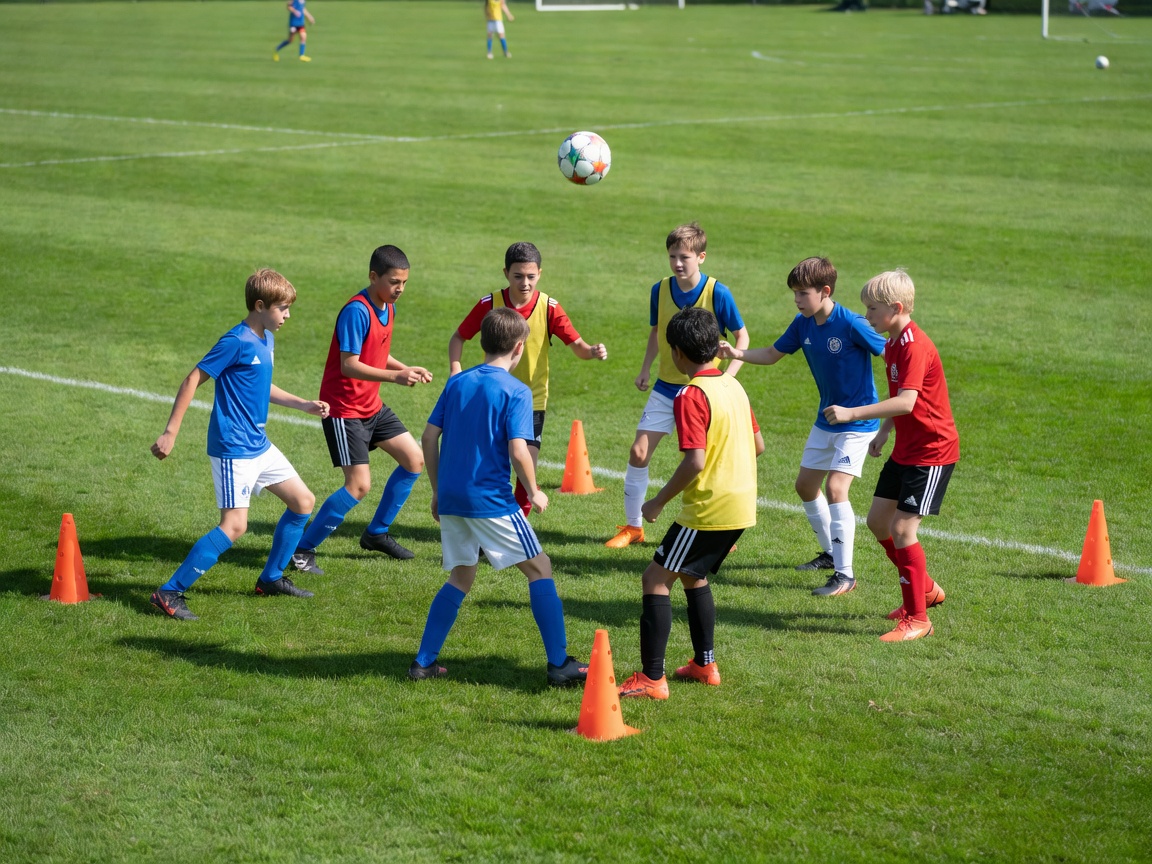
Younger age groups focus on ball mastery, coordination, small-sided games and enjoyment. Sessions are short, varied and built around frequent touches of the ball.
Early teenage years introduce the academy's game model, positional understanding and structured physical preparation, while respecting different rates of growth.
Older players train closer to professional demands: tactical detail, match analysis, strength work and competitive fixtures, often with a link to second-team or senior football.
Facilities
Modern academies bring training, education, recovery and living space together. These are the facility types to understand when reading about any campus.
Natural grass and artificial surfaces for different conditions, age groups and session types.
Halls and covered areas that keep technical work going through winter weather.
Strength, conditioning and testing areas supervised by specialist staff.
Physiotherapy, injury prevention and recovery support for growing athletes.
Boarding for players who live away from home, as at La Masia, Benfica, Sporting CP and the FC Bayern Campus.
Classrooms, study support and video rooms where tactical learning continues off the pitch.
Youth Development
Youth development is about far more than producing professionals. The strongest academies balance football with schooling, personal growth and wellbeing, recognising that only a small share of academy players will build long careers in the professional game.
Good programmes account for players who mature at different speeds, avoid over-rewarding early physical development and offer routes such as second teams — FC Liefering at Salzburg is one example — or loans for players who need senior minutes.
“A strong academy is judged as much by the people it develops as by the players it sells.”
Coaching
Locations
From the Tagus estuary to the Croatian capital, the nine academies are spread across eight countries.
Admission & Selection Information
Elite academies are selective and mostly scouting-led. This is general guidance; always check official club and federation channels.
Most players are identified by club scouts watching local, regional and partner-club football.
Promising players are invited to train with an age group for assessment over a period of sessions.
Clairefontaine's pre-training programme selects young players from its surrounding region through the French federation.
FIFA regulations restrict international transfers of players under 18, with limited exceptions.
Academy Information
A quick reference to each academy's parent organisation, primary sport and base.
| Academy | Parent organisation | Primary sport | Site |
|---|---|---|---|
| Clairefontaine National Football Institute | French Football Federation (FFF) | Football | Clairefontaine-en-Yvelines |
| Ajax Academy | AFC Ajax | Football | De Toekomst, Amsterdam |
| La Masia | FC Barcelona | Football | Ciutat Esportiva Joan Gamper |
| Sporting CP Academy | Sporting Clube de Portugal | Football | Alcochete |
| Bayern Munich Campus / youth academy | FC Bayern München | Football | FC Bayern Campus, Munich |
| Red Bull Salzburg Academy | FC Red Bull Salzburg | Football | Salzburg |
| Dinamo Zagreb Academy | GNK Dinamo Zagreb | Football | Zagreb |
| Benfica Campus | SL Benfica | Football | Seixal |
| Anderlecht Academy | RSC Anderlecht | Football | Neerpede, Brussels |
Training Tips
General guidance for young athletes and families. It is not a substitute for advice from qualified coaches or medical professionals.
Frequent, varied touches with both feet build the technical base every academy looks for.
Varied sport in younger years develops coordination, agility and decision-making.
Watch matches actively: notice positioning, scanning and movement away from the ball.
Sleep, nutrition and rest days matter as much as extra sessions for growing bodies.
Academies value players who manage education well; it also protects future options.
Coachability, resilience and teamwork are assessed alongside talent.
FAQ
No. The nine academies are presented in no order of merit. Swayscrewparade does not publish rankings or scores.
Most elite club academies recruit primarily through scouting and invitation. Check official club channels for any open trials or programmes they may announce.
Football is the focus of all nine. Some parent clubs, such as FC Barcelona, SL Benfica, Sporting CP and FC Bayern Munich, run other sports like basketball within their wider club structures, separate from their football academies.
FIFA's regulations restrict international transfers of players under 18, with limited exceptions. Families should seek guidance from the relevant national football association.
No. We do not publish costs. Elite club academies are generally not a pay-to-enter model, and any paid camps should be verified directly with the club.
No. Swayscrewparade is an independent editorial guide and is not affiliated with any club, federation or academy mentioned.